Leicester Maths Home

Category

Problem Solving

16 articles

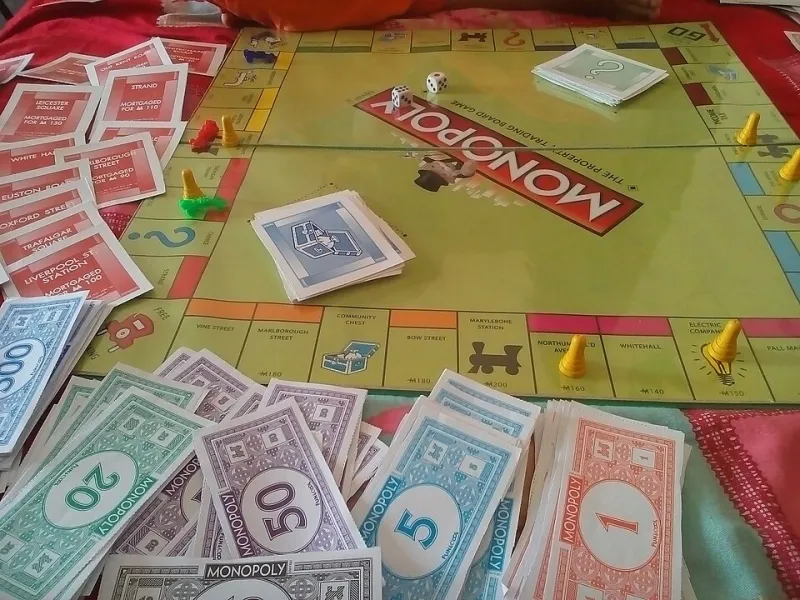
When the Clock Tower Replaces Mayfair: A Probability Audit of a Leicester Board

When the Clock Tower Replaces Mayfair: A Probability Audit of a Leicester Board

Imagine a Leicester edition of Monopoly where the Clock Tower and King Power Stadium take the place of Mayfair and Old Kent Road. We map city landmarks onto board squares, then use dice probabilities and expected-rent calculations to reveal which Leicester properties are genuine traps and which are overpriced. It’s a playful, hands-on way to explore expected value, game design and local geography.

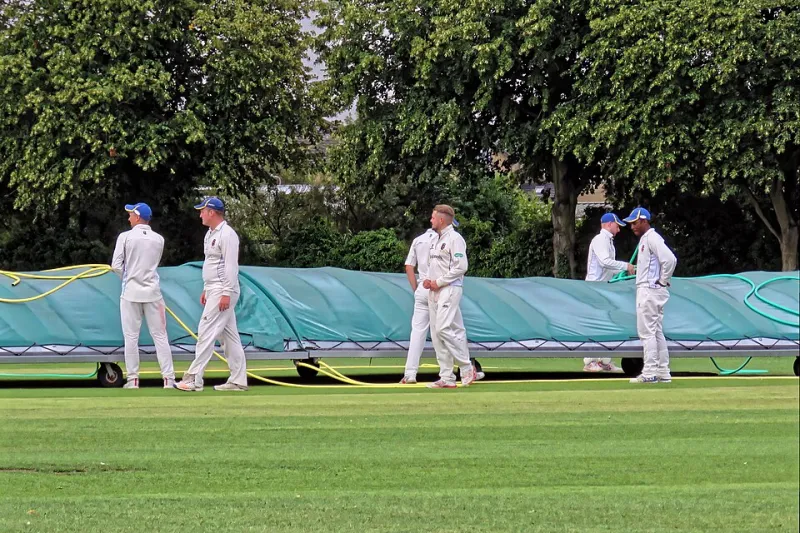
The Target That Moves: A Rainy-Day Cricket Puzzle from Grace Road

The Target That Moves: A Rainy-Day Cricket Puzzle from Grace Road

A drizzly afternoon at Grace Road is the perfect excuse to unpack Duckworth-Lewis-Stern. Here’s how resources, par scores and revised targets work — plus a classroom activity where students build their own table and argue about the number that matters.

The Seat That Sees: A Sightline Audit at Leicester's Curve

The Seat That Sees: A Sightline Audit at Leicester's Curve

A night out at Leicester's Curve is also a lesson in angles, arcs and clever seating design. Here is a classroom-friendly way to audit a sightline, estimate capacity with polygons, and notice the maths built into the auditorium.

Tessellating by the Baths: A Roman Pattern Hunt at the Jewry Wall

Tessellating by the Baths: A Roman Pattern Hunt at the Jewry Wall

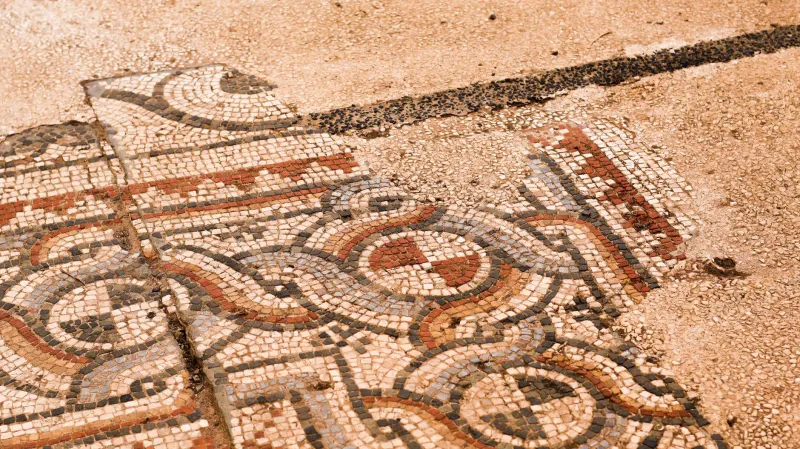
Leicester's Roman baths give you a wall, a handful of mosaics and a surprisingly good excuse to argue about angles. Here's a pattern-hunting walk with four classroom-ready problems on tessellation, symmetry and repeating borders that never quite finish.

Trowels, Grids and Guesses: A Probability Dig Beneath Leicester

Trowels, Grids and Guesses: A Probability Dig Beneath Leicester

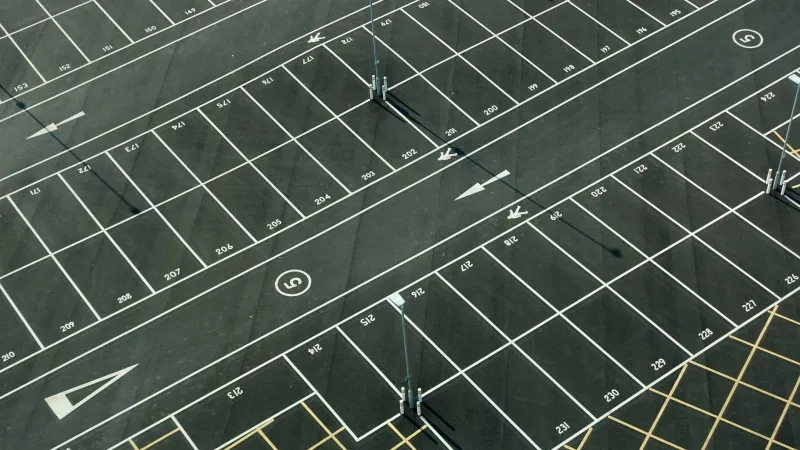
Richard III's grave was found under a Leicester car park, but the maths behind the search is just as interesting as the bones. This classroom-ready activity uses grids, sampling and Bayesian thinking to show students how evidence should change their minds.